The beauty industry has become one of the most competitive spaces online, where customers compare products, read reviews, watch tutorials, follow creators, and make purchase decisions across several platforms before they ever reach checkout. In this environment, a marketing agency for beauty brands helps companies move beyond scattered promotion and build a more structured digital growth system. The right partner understands how beauty customers discover products, what makes them trust a brand, and how digital touchpoints can work together to support sales.
Digital competition also makes clarity more important than ever. The article “Why a Beauty Branding MSLK Agency Focuses on Clarity Before Creative Direction” explains why beauty brands need a clear foundation before design and messaging can perform well. That same principle applies to marketing. A marketing agency for beauty brands helps turn clarity into campaigns, content, product pages, paid media, and retention strategies that guide customers through a crowded online market.
Visibility is another major challenge. Beauty brands are not only competing with direct competitors, but also with influencers, retailers, marketplaces, social trends, search results, and endless product recommendations. The article “How a Cosmetics Marketing MSLK Agency Supports Product Visibility and Brand Growth” explores how visibility can become a growth driver when it is planned strategically. A marketing agency for beauty brands builds on that idea by making sure visibility leads to understanding, trust, conversion, and long-term customer value.
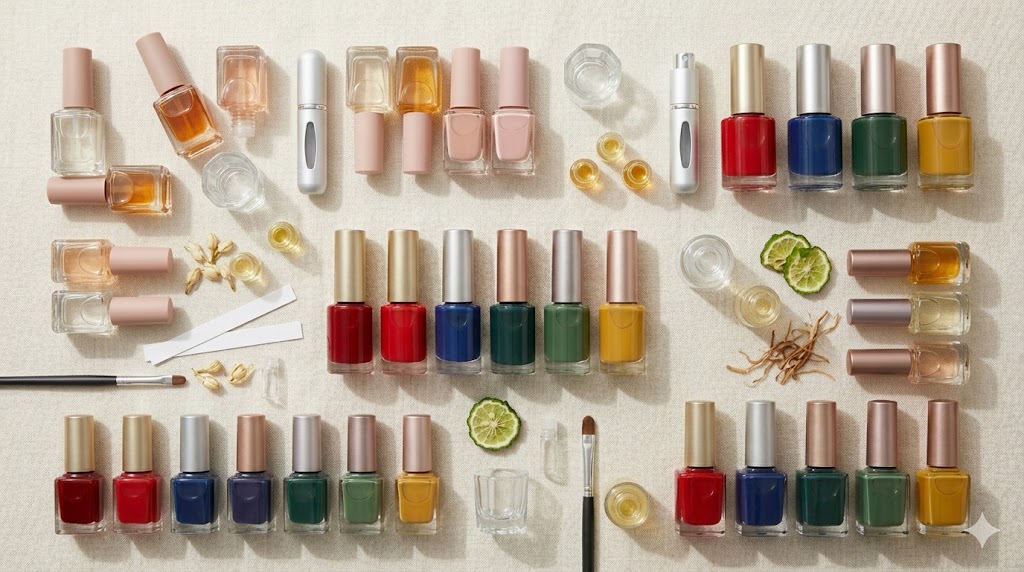
The Beauty Market Is More Crowded Than Ever
Digital channels have lowered the barrier to entry for beauty brands. A new skincare, haircare, fragrance, body care, or cosmetics company can launch online without needing immediate retail distribution. This creates opportunity, but it also creates saturation. Customers now see more products than they can realistically evaluate.
A marketing agency for beauty brands helps companies compete in this environment by defining what the brand should be known for. Without that focus, brands can easily become interchangeable. Many products use similar language: clean, glowing, fresh, effective, natural, luxurious, gentle, high-performance, or science-backed. These words can still be useful, but they need a specific meaning behind them.
The challenge is not simply to be louder. Beauty customers already see plenty of loud marketing. The challenge is to be clearer, more relevant, and more trusted. A brand needs to communicate why its product matters to a specific customer at a specific moment.
A strong marketing strategy helps the brand avoid random activity. Instead of chasing every platform, trend, and tactic, the brand can choose the channels and messages that best support its growth goals. This is where specialized experience matters. Beauty marketing has its own buying behaviors, emotional triggers, visual expectations, and trust barriers.
Customers Move Across Many Digital Touchpoints
Beauty customers rarely follow a straight path to purchase. They may first see a product in a short-form video, then check the brand’s social profile, search for reviews, visit the website, compare prices, join an email list, abandon a cart, and return later through retargeting. Every touchpoint affects the decision.
A marketing agency for beauty brands maps this journey and identifies what customers need at each stage. At the awareness stage, they need a quick reason to care. At the consideration stage, they need education and proof. At the conversion stage, they need confidence. After purchase, they need guidance and reasons to return.
If these touchpoints are disconnected, the customer experience weakens. An ad may create excitement, but if the product page does not explain the product clearly, conversion drops. Social content may build interest, but if email follow-up is generic, the relationship fades. A creator video may generate traffic, but if the website lacks reviews or usage details, customers may hesitate.
A marketing agency for beauty brands connects these pieces into one journey. The goal is not to make every channel identical. The goal is to make every channel support the same customer decision.
Strategy Prevents Scattered Marketing
Many beauty brands are active but not strategic. They post content, send emails, run ads, try influencer partnerships, and launch promotions, yet still struggle to understand what is actually driving growth. Activity alone does not create a strong digital presence.
A marketing agency for beauty brands brings structure to that activity. Strategy defines the audience, product position, key messages, channel roles, creative direction, campaign calendar, budget allocation, and performance metrics. This allows the brand to make better decisions instead of reacting to every trend or short-term result.
A useful strategy usually clarifies:
- Which customers the brand should prioritize and what motivates them
- Which product benefits should lead in marketing communication
- Which channels should drive awareness, consideration, conversion, and retention
- Which metrics should be used to evaluate progress at each stage
This structure makes marketing more efficient. It also helps internal teams stay aligned. Designers, copywriters, media buyers, social managers, email marketers, and leadership can all work from the same foundation.
In a competitive digital market, scattered marketing becomes expensive. A brand may spend money on content and ads without building recognition or trust. Strategy helps every effort contribute to a larger goal.
Paid Media Is Competitive and Expensive
Paid media can help beauty brands scale, but it has become more competitive. Many brands are bidding for attention on the same platforms, and customers are quick to ignore ads that feel generic. Rising acquisition costs make creative quality, targeting, landing pages, and retention more important.
A marketing agency for beauty brands helps paid media work as part of a larger system. The agency can test creative angles, audiences, formats, offers, product benefits, and landing pages. But it also understands that ads cannot fix every problem. If the product page is weak, if messaging is unclear, or if reviews are missing, paid traffic may not convert well.
Beauty paid media requires strong creative testing. A skincare campaign might test ingredient education, customer concern, routine simplicity, or visible results. A fragrance campaign might test scent mood, gifting, layering, or daily wearability. A cosmetics campaign might test shade confidence, finish, performance, or creator demonstration.
The value of a marketing agency for beauty brands is not only launching ads. It is interpreting results. If a video gets strong engagement but low sales, the audience may be curious but not convinced. If a campaign drives clicks but weak checkout activity, the landing page may need clearer proof. If retargeting performs well, the brand may need stronger consideration content earlier in the journey.
Paid media works best when every click leads to a brand experience that continues the same promise.
Organic Content Builds Trust Over Time
Organic content is still important even when paid media drives growth. Customers often check a brand’s social presence before buying. They want to see whether the brand feels active, credible, relevant, and aligned with their expectations.
A marketing agency for beauty brands helps organic content become more purposeful. Instead of posting random product photos or trend-based videos, the brand can build content pillars around education, proof, routine, product benefits, customer questions, creator content, and brand personality.
Organic content helps customers understand the product in ways ads often cannot. It can show texture, application, shade, scent mood, routine placement, ingredient explanation, and real customer experience. It can also answer objections before they become barriers.
The strongest organic content is not only promotional. It is useful. It helps customers choose better, use products correctly, and imagine the product in their own life. That usefulness builds trust over time.
A marketing agency for beauty brands also helps connect organic content with other channels. A strong social post can become an email topic. A creator demonstration can become paid ad creative. A customer question can become a blog article. A review can become a product page highlight. This makes content more efficient and more valuable.
Product Education Has Become Essential
Beauty customers are informed, but they are also overwhelmed. They encounter ingredient claims, performance promises, creator opinions, dermatologist advice, product comparisons, and viral trends every day. Education helps brands cut through that confusion.
A marketing agency for beauty brands creates educational content that supports the buying decision. This can include product page copy, FAQs, tutorials, blog articles, comparison guides, email flows, social videos, and post-purchase instructions. The goal is to explain without overwhelming.
Education is especially important for products that require trust or behavior change. A new skincare formula may need ingredient explanation. A haircare treatment may need usage guidance. A fragrance may need scent descriptions and layering suggestions. A cosmetics product may need shade, finish, and application support.
Good education builds confidence. Customers are more likely to buy when they understand what the product does, how it works, and how it fits into their routine. They are also more likely to be satisfied after purchase when they know how to use the product correctly.
A marketing agency for beauty brands makes education feel like part of the brand, not a separate instruction manual. The tone, visuals, and message should remain consistent with the overall customer experience.
Conversion Requires More Than Traffic
Traffic is valuable only if the customer journey can convert it. Many beauty brands focus on getting more visitors, but the real issue may be that visitors are not finding enough reasons to buy.
A marketing agency for beauty brands reviews the conversion path carefully. This includes landing pages, product pages, navigation, product photography, reviews, calls to action, bundles, checkout flow, mobile experience, and abandoned cart behavior. Each detail can influence whether a customer completes a purchase.
Beauty product pages have to work hard. They need to create desire, explain benefits, support credibility, answer practical questions, and make the purchase process easy. Customers may want to know how a product feels, smells, looks, applies, wears, or fits into a routine. If those answers are missing, hesitation increases.
Conversion-focused improvements may include:
- Clearer product headlines and benefit-led copy
- Better imagery showing texture, shade, application, size, or routine use
- Stronger placement of reviews, FAQs, guarantees, and proof points
- More consistent alignment between ads, emails, and landing pages
A marketing agency for beauty brands helps turn the website into a stronger sales environment. This does not mean making every page aggressive. It means making every page clearer, more useful, and more persuasive.
Influencer and Creator Marketing Need Direction
Creator marketing can be powerful in beauty because customers like seeing products used by real people. A creator can show texture, shade, application, finish, routine placement, and personal experience in a way that feels relatable. But creator marketing needs structure to work well.
A marketing agency for beauty brands helps brands choose creators strategically. The right creator is not only someone with a large audience. The creator should match the brand’s audience, product category, aesthetic, trust level, and content style.
Creator briefs also matter. If the brief is too loose, the content may miss important product benefits. If it is too rigid, the content may feel scripted. A good brief gives creators enough guidance to communicate clearly while still allowing authentic expression.
Creator content can support several goals. It can build awareness, educate customers, provide social proof, generate product demonstrations, or produce assets for paid media. A marketing agency for beauty brands helps decide which goal matters most for each partnership.
Measurement is also important. Brands should track engagement, traffic, conversion, content quality, usage rights, audience fit, and long-term asset value. Creator marketing should not be treated as guesswork.
Search Visibility Supports High-Intent Discovery
Social platforms are important, but search still matters. Many customers search when they are actively researching a problem, product type, ingredient, routine, shade, scent, or comparison. These moments can be highly valuable because the customer already has intent.
A marketing agency for beauty brands can support search visibility through SEO strategy, keyword research, content planning, product page optimization, internal linking, technical review, and educational articles. Search content helps brands appear when customers are looking for answers.
For example, a skincare brand may create content around routines, ingredients, skin concerns, and product layering. A haircare brand may target questions about scalp care, frizz, breakage, curls, or repair. A fragrance brand may create content around scent families, longevity, layering, and gifting. A cosmetics brand may focus on shade selection, finish types, application tips, and product comparisons.
Search content should be helpful first. If it exists only to rank, customers will feel the lack of value. A good article or guide should answer the question clearly and naturally lead to relevant products where appropriate.
A marketing agency for beauty brands helps make SEO part of the larger customer journey. Search can introduce the brand, educate customers, and support conversion when connected to product pages and email capture.
Email and Retention Protect Profitability
In a competitive digital market, acquisition can be expensive. Retention helps protect profitability by increasing customer lifetime value. Beauty brands often sell products that can be replenished, layered, gifted, or paired with complementary items, making retention especially important.
A marketing agency for beauty brands builds email and retention systems that continue the relationship after discovery and purchase. This can include welcome flows, abandoned cart emails, post-purchase education, replenishment reminders, product recommendations, loyalty campaigns, win-back flows, and launch announcements.
Email should not rely only on discounts. Discounts may encourage action, but constant promotions can weaken perceived value. Strong email marketing combines education, storytelling, proof, product guidance, and timely offers.
Retention depends on relevance. A customer who bought a cleanser may need a different follow-up than someone who bought a fragrance discovery set. A first-time buyer may need education, while a loyal customer may respond to early access or exclusive bundles. A marketing agency for beauty brands uses segmentation to make communication more useful.
The stronger the retention system, the less the brand depends on constantly finding new customers.
Customer Data Makes Marketing Smarter
Digital marketing creates data, but data is only useful when it leads to better decisions. Beauty brands need to understand what customers respond to, where they hesitate, and which channels create valuable customers.
A marketing agency for beauty brands uses data to improve campaigns and customer journeys. This may include website analytics, ad performance, email metrics, customer lifetime value, repeat purchase behavior, product-level sales, customer reviews, search queries, and social engagement.
Different metrics matter at different stages. Awareness campaigns may be evaluated by reach, engagement, video views, and traffic quality. Consideration campaigns may focus on product page visits, email signups, content engagement, and add-to-cart rate. Conversion campaigns may track revenue, conversion rate, cost per acquisition, and return on ad spend. Retention campaigns may track repeat purchase, email revenue, replenishment behavior, and customer lifetime value.
A marketing agency for beauty brands interprets these signals as part of a system. If traffic grows but sales do not, the conversion path may need work. If first purchases are strong but repeat purchase is weak, post-purchase education or replenishment timing may be the issue. If customers engage with education but not offers, the brand may need stronger calls to action.
Data helps brands improve without relying only on opinions.
Digital Competition Requires Stronger Differentiation
In crowded markets, differentiation is not optional. Beauty brands need a clear reason to be chosen. This does not always mean having a completely new product type. Differentiation can come from positioning, customer focus, product experience, ingredient philosophy, visual identity, education, tone, routine design, or community.
A marketing agency for beauty brands helps identify and communicate that difference. The agency looks at what competitors are saying, what customers care about, and where the brand has a credible advantage. Then it turns that difference into campaign messages and content.
Differentiation must be easy to understand. If the customer cannot explain why the product is different, the message may be too vague. The brand may need a sharper benefit, clearer proof, or a more specific customer focus.
Beauty differentiation often depends on details. Texture, scent, shade range, finish, packaging experience, ingredient transparency, product education, and routine simplicity can all matter. The agency’s role is to make those details visible and meaningful.
A marketing agency for beauty brands helps brands avoid blending into the category. It gives customers a stronger reason to remember and compare the product favorably.
Channel Alignment Builds Recognition
A customer may see the same brand on TikTok, Instagram, Google, email, a retail site, and the brand’s own website. If each channel communicates a different story, the brand becomes harder to remember. If each channel supports the same core message, recognition grows.
A marketing agency for beauty brands aligns channels so they work together. Paid media may introduce a product benefit. Organic content may explain it. Search content may answer deeper questions. Product pages may convert interest into purchase. Email may reinforce value. Retargeting may bring customers back.
Strong channel alignment includes:
- A central message adapted for different stages of the journey
- Visual consistency across ads, social, web, email, and retail assets
- Content that answers customer questions in the right sequence
- Reporting that shows how channels support one another
This alignment helps marketing feel less fragmented. It also improves the customer experience. People do not need to re-learn the brand every time they encounter it.
A marketing agency for beauty brands creates this connected system so visibility can compound over time.
Brand Trust Is a Competitive Advantage
Customers are skeptical. They have seen too many exaggerated claims, filtered results, and overhyped products. Trust is now one of the most valuable competitive advantages a beauty brand can build.
A marketing agency for beauty brands supports trust through clear claims, consistent messaging, customer education, social proof, transparent policies, reviews, creator content, and post-purchase support. Each of these elements reduces perceived risk.
Trust also depends on the product experience matching the marketing promise. If a campaign promises comfort, the product should feel comfortable. If the brand promises luxury, the packaging, website, and customer service should support that expectation. If the product claims performance, customers need proof and realistic guidance.
A brand that earns trust does not have to rely only on aggressive promotions. Customers are more willing to pay attention, try new products, and return when the brand feels credible.
A marketing agency for beauty brands helps build trust as part of the full journey, not as a single message.
The Digital Market Rewards Speed and Consistency
Beauty trends move quickly online. New ingredients, formats, aesthetics, creator conversations, and consumer concerns can gain attention fast. Brands need to respond without losing consistency.
A marketing agency for beauty brands helps balance speed with strategy. It can identify which trends are relevant, which are distractions, and how the brand should respond. This prevents teams from chasing every viral moment without considering whether it supports the brand.
Consistency matters because customers need stable signals. A brand can adapt to culture, but it should not change personality every week. The strongest digital brands feel current and recognizable at the same time.
This requires systems: content calendars, brand guidelines, campaign briefs, creative testing processes, approval workflows, and reporting rhythms. A marketing agency for beauty brands helps create these systems so the brand can move faster without becoming scattered.
Speed helps brands stay relevant. Consistency helps them stay memorable.
Why Specialized Beauty Knowledge Matters
Beauty marketing is different from many other categories because the products are personal, sensory, emotional, and often tied to daily routines. Customers care about how products feel, smell, look, apply, wear, and fit into their identity. These details influence marketing performance.
A marketing agency for beauty brands understands these category-specific factors. It knows that a skincare product may need trust-building education, a fragrance may need sensory storytelling, a haircare product may need concern-based guidance, and a cosmetics product may need visual proof through shade, texture, finish, and application.
Specialized knowledge helps avoid generic strategies. A campaign that works for one category may not work for another. A fragrance cannot be marketed exactly like a serum. A foundation cannot be explained like a shampoo. A deodorant may need different trust signals than a lipstick.
A marketing agency for beauty brands brings the category understanding needed to make these distinctions. This makes campaigns more relevant and customer experiences more persuasive.
Common Mistakes Beauty Brands Make Online
Many beauty brands struggle online because they treat marketing as a collection of separate tasks. They run ads without optimizing landing pages. They post social content without a clear message. They send emails only during promotions. They work with creators without clear briefs. They create educational content without connecting it to conversion.
A marketing agency for beauty brands helps identify these mistakes and build a stronger system. The solution is not always more activity. Often, the solution is better alignment, clearer messaging, stronger creative testing, and more useful customer education.
Common digital mistakes include:
- Prioritizing visibility without a clear product story
- Using generic beauty claims that do not create differentiation
- Driving traffic to weak product pages or disconnected landing pages
- Focusing on acquisition while neglecting retention and repeat purchase
Correcting these issues can improve performance across the entire customer journey. When the brand is easier to understand and easier to trust, marketing becomes more effective.
Growth Comes from Connected Execution
A competitive digital market rewards brands that can connect strategy, content, media, conversion, and retention. Each piece matters, but the strongest results come when they work together.
A marketing agency for beauty brands helps create connected execution. It ensures that the product story is clear, the creative assets support the message, the paid media strategy reaches the right audience, the website answers customer questions, the email system nurtures relationships, and the reporting process improves future decisions.
Connected execution also helps brands scale. As a brand grows, more products, channels, campaigns, creators, and retail partners enter the system. Without structure, growth can create inconsistency. With a strong marketing system, expansion becomes easier to manage.
The agency’s role is to keep marketing focused on both the customer and the business goal. Every asset should help customers move closer to understanding, trust, purchase, or loyalty.
Conclusion: Competitive Markets Require Smarter Marketing
The digital beauty market is crowded, fast, and demanding. Customers have endless options, short attention spans, and high expectations. They want products that feel relevant, trustworthy, easy to understand, and worth buying. Brands that rely on scattered content or generic campaigns will struggle to stand out.
A marketing agency for beauty brands matters because it brings structure to this complexity. It helps define the brand’s message, choose the right channels, create useful content, improve conversion paths, manage paid media, build retention systems, and use data to make smarter decisions. It turns digital marketing from a set of disconnected tasks into a connected growth system.
In beauty, success is not only about reaching more people. It is about reaching the right people with the right message at the right stage of the journey. It is about helping customers understand the product, believe the promise, enjoy the experience, and return again.
For brands competing in a crowded digital market, specialized marketing support can become a major advantage. A marketing agency for beauty brands helps create the clarity, consistency, and performance discipline needed to turn attention into trust and trust into sustainable growth.